


1. Introduction:
In the dynamic realm of sales, where every interaction counts, mastering the art of Sales Deal Qualification Criteria is a non-negotiable skill for success. This section sets the stage by providing a clear understanding of what exactly Sales Deal Qualification entails and why it serves as the cornerstone of effective sales strategies.
Definition of Sales Deal Qualification Criteria:
Sales Deal Qualification Criteria is the systematic process of evaluating and categorizing potential deals or leads to determine their likelihood of conversion. It involves assessing various factors to ensure that valuable time and resources are invested in opportunities with the highest probability of success.
Why it’s the Bedrock of Successful Sales:
At its core, effective deal qualification is the compass that guides sales professionals and organizations towards fruitful engagements. Without a solid qualification framework, teams risk scattering their efforts across leads that may not align with the company’s goals or offer substantial returns. By understanding and implementing robust qualification criteria, sales teams can focus their energy on opportunities that are more likely to result in successful conversions.
Key Takeaways:
- Sales Deal Qualification is a strategic process for evaluating potential deals.
- It ensures resources are invested where they are most likely to yield positive outcomes.
- A strong qualification framework is essential for guiding sales efforts towards success.
As we delve deeper into the blog, each subsequent point will unpack these concepts further, providing actionable insights and strategies for mastering the intricacies of Sales Deal Qualification Criteria.

2. The Importance of Deal Qualification:
In the bustling world of sales, where time is a precious commodity and every lead is a potential opportunity, understanding the significance of Sales Deal Qualification is paramount. This section explores the pivotal role that effective deal qualification plays in maximizing efficiency, optimizing resources, and ultimately driving success in the sales process.
Maximizing Time and Resources:
One of the primary reasons deal qualification holds such importance is its role in time management. In the fast-paced sales environment, every moment counts. By qualifying deals early in the process, sales teams can channel their efforts towards prospects with genuine potential, avoiding unnecessary pursuits that might lead to dead ends. This strategic approach ensures that time is spent where it matters most, increasing overall productivity.
Focusing Efforts on High-Value Opportunities:
Not all leads are created equal, and deal qualification is the key to discerning between high-value opportunities and those with lower conversion potential. By identifying prospects that align with the company’s target audience and goals, sales teams can concentrate their efforts on cultivating relationships with clients who are more likely to convert, thereby increasing the overall success rate of the sales pipeline.
Increasing Conversion Rates:
A well-qualified lead is more likely to convert into a paying customer. Through a meticulous evaluation of factors like budget, authority, need, and timeline (BANT), sales professionals can tailor their approach to match the specific requirements of each prospect. This personalized engagement significantly boosts the chances of successfully navigating the sales funnel and closing deals.
Key Takeaways:
- Deal qualification is essential for maximizing time and resource efficiency.
- It allows sales teams to focus on high-value opportunities.
- Well-qualified leads have a higher likelihood of conversion, ultimately increasing sales success rates.
As we proceed with the blog, subsequent sections will delve into the specific components and frameworks that contribute to effective Sales Deal Qualification, providing actionable insights for implementing these strategies in your own sales endeavors.

3. Key Components of Sales Deal Qualification Criteria:
Navigating the landscape of sales deal qualification involves dissecting various components that collectively shape the understanding of a prospect’s potential. This section delves into the core elements of deal qualification, highlighting the essential factors that sales professionals must evaluate to determine the viability of a deal.
Budget: Determining Financial Fit
Understanding the prospect’s budget is fundamental to qualifying a deal. This involves gauging whether the potential customer has the financial capacity to invest in the offered product or service. An alignment between the prospect’s budget and the pricing of the solution is critical for progressing through the sales pipeline.
Authority: Identifying Decision-Makers
Knowing who holds the decision-making power within a prospect’s organization is crucial. The authority component of deal qualification involves identifying key decision-makers and understanding their influence in the purchasing process. Engaging with decision-makers early on facilitates a smoother progression through the sales cycle.
Need: Understanding Customer Requirements
Qualifying deals involves a thorough exploration of the prospect’s needs. This goes beyond surface-level inquiries and requires a deep understanding of the challenges and goals the prospect aims to address. By comprehending the customer’s specific requirements, sales professionals can tailor their pitch to resonate with the prospect’s objectives.
Timeline: Gauging Urgency
The urgency of a prospect’s needs plays a significant role in deal qualification. Sales professionals must assess the timeline within which the prospect intends to make a purchasing decision. Understanding the urgency helps in prioritizing deals, allowing sales teams to allocate resources efficiently and meet the prospect’s timeline expectations.
Key Takeaways:
- Budget assessment ensures financial alignment between the prospect and the solution.
- Identifying decision-makers streamlines the decision-making process.
- Understanding customer needs enables a tailored and compelling sales approach.
- Gauging urgency helps in prioritizing and allocating resources effectively.
As we progress through the blog, subsequent sections will explore popular deal qualification frameworks like BANT (Budget, Authority, Need, Timeline) and MEDDIC (Metrics, Economic Buyer, Decision Criteria, Decision Process, Identify Pain, Champion), providing insights into their application and benefits in the sales process.
4. Deal Qualification Frameworks:
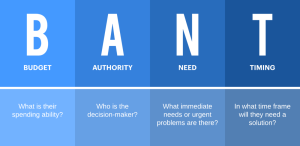
Navigating the intricate landscape of sales deal qualification becomes more structured and systematic with the application of frameworks. This section introduces two prominent frameworks, BANT (Budget, Authority, Need, Timeline) and MEDDIC (Metrics, Economic Buyer, Decision Criteria, Decision Process, Identify Pain, Champion), shedding light on how these methodologies enhance the deal qualification process.
BANT Framework:
-
Budget: This component involves assessing whether the prospect has the financial resources to make the purchase. It helps in aligning the pricing of the solution with the prospect’s budget constraints.
-
Authority: Identifying decision-makers is pivotal. The Authority component ensures that sales professionals engage with individuals who hold the power to make purchasing decisions within the prospect’s organization.
-
Need: Understanding the prospect’s needs is crucial for tailoring the sales pitch. By delving deep into the customer’s challenges and requirements, sales teams can customize their approach for maximum resonance.
-
Timeline: Gauging the urgency of the prospect’s needs is essential. The Timeline component helps in prioritizing deals based on the timeframe within which the prospect intends to make a decision.
MEDDIC Methodology:
-
Metrics: Understanding the prospect’s key performance indicators (KPIs) and metrics is the first step. This involves aligning the solution with the metrics that matter most to the prospect’s success.
-
Economic Buyer: Identifying the person with the budget authority is crucial. The Economic Buyer is the individual who holds the purse strings and can greenlight the purchase.
-
Decision Criteria: Clarifying the criteria the prospect will use to make a decision is essential. This involves understanding the specific factors that weigh heavily in the decision-making process.
-
Decision Process: Knowing the steps the prospect’s organization follows in making a decision is critical. This includes understanding the internal processes and stakeholders involved.
-
Identify Pain: Uncovering the prospect’s pain points and challenges is a central aspect of qualification. Identifying Pain ensures that the solution directly addresses the prospect’s needs.
-
Champion: Having an internal advocate or champion within the prospect’s organization is valuable. The Champion is someone who supports and promotes the solution internally, facilitating the sales process.
Key Takeaways:
- BANT and MEDDIC are comprehensive frameworks for deal qualification.
- BANT focuses on essential components like budget, authority, need, and timeline.
- MEDDIC offers a detailed methodology, including metrics, economic buyer, decision criteria, decision process, identifying pain, and champion.
As we delve further into the blog, subsequent sections will explore common mistakes to avoid in the deal qualification process, ensuring a nuanced and effective approach to qualifying deals.

5. Common Mistakes to Avoid:
While mastering the art of deal qualification is essential for sales success, it’s equally crucial to be aware of common pitfalls that can hinder the effectiveness of the process. This section sheds light on prevalent mistakes that sales professionals should be mindful of to ensure a seamless and accurate deal qualification experience.
Ignoring Red Flags:
One common mistake in deal qualification is overlooking warning signs or red flags. These signals can include inconsistencies in information provided by the prospect, reluctance to share essential details, or a lack of clarity regarding the decision-making process. Ignoring these red flags may lead to wasted time and resources on deals that are unlikely to materialize.
Overlooking the Decision-Making Process:
Qualifying a deal isn’t solely about understanding the prospect’s needs and budget. It also involves gaining insight into the decision-making process within the prospect’s organization. Neglecting to identify key stakeholders, influencers, and the steps involved in the decision-making journey can result in a misalignment of efforts and missed opportunities.
Neglecting Long-Term Value:
Focusing solely on short-term gains without considering the long-term value of a customer is a common oversight. Effective deal qualification extends beyond the immediate transaction and takes into account the potential for ongoing and sustainable relationships. Ignoring the long-term value may result in missed opportunities for upselling, cross-selling, and cultivating customer loyalty.
Relying Solely on Assumptions:
Assuming that a prospect’s needs and priorities align with preconceived notions can lead to misjudgments. It’s essential to actively listen, ask probing questions, and validate assumptions to ensure an accurate understanding of the prospect’s requirements. Making assumptions without verification can result in misguided strategies and lost opportunities.
Key Takeaways:
- Be vigilant and address red flags early in the qualification process.
- Gain a comprehensive understanding of the prospect’s decision-making process.
- Consider the long-term value of a customer relationship beyond the immediate sale.
- Avoid relying solely on assumptions; actively seek clarification and validation.

6. Adapting Qualification Criteria to Industries:
One size does not fit all in the world of sales, and this is particularly true when it comes to deal qualification. Each industry has its unique nuances, challenges, and customer behaviors. In this section, we explore the importance of tailoring qualification criteria to specific industries, ensuring that your approach aligns seamlessly with the characteristics and requirements of your target market.
Tailoring Criteria for B2B and B2C Scenarios:
B2B (Business-to-Business):
- In B2B scenarios, deal qualification often involves engaging with larger organizations where decision-making structures are more complex.
- Key factors include understanding the organization’s budgeting processes, identifying multiple decision-makers, and aligning the solution with the company’s strategic objectives.
B2C (Business-to-Consumer):
- B2C deal qualification typically revolves around individual consumers.
- Criteria may include affordability, immediate need, and the prospect’s readiness to make a purchase.
- Emotional factors and personal preferences play a more significant role in B2C scenarios.
Industry-Specific Considerations:
Different industries come with their own sets of challenges and priorities. Adapting your qualification criteria to align with these industry-specific considerations is crucial for success.
Example 1: Technology Industry:
- Qualification may involve understanding the prospect’s technological infrastructure, scalability requirements, and compatibility with existing systems.
- Budget considerations often include not just the upfront costs but also ongoing maintenance and upgrades.
Example 2: Healthcare Industry:
- Deal qualification may require compliance with stringent regulatory requirements.
- Understanding the unique pain points in healthcare, such as improving patient outcomes or streamlining administrative processes, is essential.
Example 3: Retail Industry:
- B2C qualification in retail may focus on consumer behavior, buying patterns, and brand loyalty.
- Seasonal trends, inventory turnover, and supply chain considerations may impact deal qualification in this industry.
The Importance of Industry Expertise:
Sales professionals benefit immensely from industry-specific knowledge. Being well-versed in the challenges, trends, and regulations of a particular sector enables more informed conversations with prospects. Industry expertise not only enhances the credibility of the salesperson but also allows for a more tailored and effective qualification process.
Key Takeaways:
- B2B and B2C scenarios require distinct approaches to deal qualification.
- Industry-specific considerations play a vital role in tailoring qualification criteria.
- Industry expertise enhances the effectiveness of deal qualification in specialized sectors.

7. Leveraging Technology for Qualification:
In the digital age, technology has become a powerful ally in the realm of sales, revolutionizing the way deals are qualified and managed. This section delves into the strategic use of technology, specifically Customer Relationship Management (CRM) systems and automation tools, to enhance the efficiency and effectiveness of the deal qualification process.
CRM Systems and Their Role:
1. Centralized Information Hub:
- A CRM system serves as a centralized repository for all customer-related data. This includes contact information, communication history, and details about ongoing deals.
- Sales professionals can easily access and update information, ensuring a comprehensive and up-to-date understanding of each prospect.
2. Tracking and Monitoring:
- CRM systems provide robust tracking and monitoring capabilities. Sales teams can monitor the progress of deals, track interactions with prospects, and analyze patterns to make data-driven decisions.
- Real-time visibility into the sales pipeline allows for proactive adjustments and targeted interventions.
3. Collaboration and Communication:
- CRM systems facilitate seamless collaboration among team members. Everyone involved in the sales process can access shared information, ensuring a cohesive and synchronized approach.
- Integrated communication tools within CRM platforms streamline interactions, fostering better communication both within the team and with prospects.
Automation Tools for Efficiency:
1. Automated Lead Scoring:
- Automation tools can assign scores to leads based on predefined criteria, streamlining the qualification process.
- This ensures that sales teams prioritize high-value leads, reducing manual effort and minimizing the risk of overlooking crucial factors.
2. Email Automation:
- Automated email workflows help nurture leads and maintain consistent communication.
- Personalized and timely emails can be automated based on prospect behavior, ensuring that leads stay engaged throughout the sales cycle.
3. AI-Powered Insights:
- Artificial Intelligence (AI) tools can analyze data to provide valuable insights into prospect behavior and preferences.
- Predictive analytics can forecast the likelihood of deal success, empowering sales teams to make informed decisions.
Key Takeaways:
- CRM systems serve as centralized hubs for customer information, tracking, and collaboration.
- Automation tools enhance efficiency through automated lead scoring, email workflows, and AI-powered insights.
- Technology integration streamlines the deal qualification process, allowing for data-driven decision-making.
As we progress through the blog, subsequent sections will explore the importance of continuous learning and improvement in deal qualification, featuring real-world case studies and success stories.

8. Continuous Learning and Improvement:
In the dynamic landscape of sales, staying ahead of the curve is not just beneficial—it’s a necessity. This section underscores the importance of adopting a mindset of continuous learning and improvement in the context of sales deal qualification. Embracing ongoing education and refinement ensures that sales professionals are equipped to navigate evolving market trends, customer expectations, and industry innovations.
Feedback Loops for Refining Criteria:
1. Soliciting Customer Feedback:
- Actively seeking feedback from customers, especially those who didn’t convert, provides valuable insights into areas for improvement.
- Understanding customer perspectives helps in refining qualification criteria to better align with the needs and expectations of the target audience.
2. Internal Team Feedback:
- Establishing regular feedback loops within the sales team fosters collaboration and knowledge-sharing.
- Discussing challenges, successes, and lessons learned enables the team to collectively refine and optimize deal qualification strategies.
Staying Updated with Market Trends:
1. Industry Research and Publications:
- Regularly engaging with industry research, publications, and thought leadership content keeps sales professionals informed about market trends.
- Understanding the broader landscape enables teams to adapt qualification criteria to align with emerging patterns and customer preferences.
2. Continuous Training and Development:
- Investing in ongoing training and development programs ensures that sales teams are equipped with the latest skills and knowledge.
- Training sessions can focus on new technologies, evolving customer behaviors, and updates to qualification frameworks.
Adapting to Changing Customer Behaviors:
1. Monitoring Customer Interactions:
- Analyzing customer interactions, both successful and unsuccessful, provides insights into changing preferences and behaviors.
- Adapting qualification criteria based on observed shifts ensures relevance in a rapidly evolving market.
2. Embracing Flexibility:
- Recognizing that customer behaviors and expectations may change over time requires a flexible approach to deal qualification.
- Sales professionals should be prepared to adjust criteria and strategies to align with the evolving needs of the target audience.
Key Takeaways:
- Feedback loops, both from customers and internal teams, are essential for refining qualification criteria.
- Staying updated with market trends through industry research and continuous training is crucial.
- Adapting to changing customer behaviors requires flexibility and a proactive approach to learning and improvement.

9. Real-world Case Studies:
Learning from real-world examples provides invaluable insights into the practical application of deal qualification strategies. In this section, we delve into case studies that highlight success stories from companies with effective qualification strategies and lessons learned from instances where deal qualification fell short. These cases serve as practical illustrations of the impact and nuances of implementing various qualification criteria and frameworks.
Success Stories from Effective Qualification Strategies:
Case Study 1: Tech Firm Secures Enterprise Contract
- Challenge: The tech firm faced challenges in penetrating the enterprise market due to complex decision-making structures.
- Strategy: Implementing the MEDDIC framework helped identify key decision-makers, align the solution with metrics crucial to the enterprise, and address pain points effectively.
- Result: A successful enterprise contract was secured, demonstrating the efficacy of meticulous deal qualification in complex B2B scenarios.
Case Study 2: E-commerce Company Boosts Conversion Rates
- Challenge: The e-commerce company struggled with high bounce rates and low conversion rates.
- Strategy: Using automated lead scoring, the company identified high-value leads based on online behavior, past purchases, and engagement levels.
- Result: Conversion rates increased significantly as sales teams focused on leads with a higher likelihood of making a purchase.
Lessons Learned from Deal Qualification Failures:
Case Study 3: Healthcare Software Implementation Stumbles
- Challenge: A healthcare software company faced challenges in the implementation phase despite successful deal closures.
- Failure: The company overlooked the decision process component of MEDDIC, resulting in misalignment with the client’s internal procedures.
- Lesson: Understanding the client’s decision process is as critical as other qualification components to ensure a smooth transition from deal closure to implementation.
Case Study 4: Missed Opportunities in Retail Expansion
- Challenge: A retail company aimed to expand into new markets but struggled to identify the most lucrative opportunities.
- Failure: Overreliance on assumptions about customer behavior in new markets led to misjudgments, resulting in missed opportunities.
- Lesson: Adapting qualification criteria to specific market nuances and validating assumptions is essential for successful expansion.
Key Takeaways:
- Success stories highlight the impact of effective qualification strategies on deal outcomes.
- Case studies of failures underscore the importance of addressing all components of qualification, learning from mistakes, and adapting strategies for different scenarios.
As we move towards the conclusion of the blog, the final section will provide a recap of key points and encourage readers to implement the learned strategies in their own sales endeavors.

10. Conclusion:
As we wrap up our exploration into the realm of Sales Deal Qualification Criteria, it’s crucial to reflect on the key insights and takeaways that empower sales professionals, business owners, and entrepreneurs to elevate their sales strategies. This concluding section serves as a recap of the essential points covered and encourages the application of learned strategies for success.
Recap of Key Points:
-
Understanding Sales Deal Qualification:
- Deal qualification is the systematic process of evaluating and categorizing potential deals to determine their likelihood of conversion.
- It is the foundation of successful sales strategies, ensuring that efforts are focused on high-value opportunities.
-
Key Components of Qualification Criteria:
- Budget, Authority, Need, and Timeline (BANT) are fundamental components.
- The MEDDIC methodology adds depth with Metrics, Economic Buyer, Decision Criteria, Decision Process, Identify Pain, and Champion.
-
Common Mistakes to Avoid:
- Ignoring red flags, overlooking the decision-making process, and neglecting long-term value can hinder successful deal qualification.
-
Adapting to Industries:
- Qualification criteria must be tailored for the specific demands of B2B and B2C scenarios.
- Industry-specific considerations play a vital role in effective deal qualification.
-
Leveraging Technology:
- CRM systems serve as centralized hubs for information and collaboration.
- Automation tools enhance efficiency through lead scoring, email workflows, and AI-powered insights.
-
Continuous Learning and Improvement:
- Feedback loops, staying updated with market trends, and adapting to changing customer behaviors are critical for ongoing success.
-
Real-world Case Studies:
- Success stories highlight the impact of effective qualification strategies.
- Lessons learned from failures emphasize the importance of comprehensive deal qualification.
Implementing Strategies:
Now armed with a comprehensive understanding of sales deal qualification, it’s time to implement these strategies in your own sales endeavors. Whether you’re a seasoned sales professional or a budding entrepreneur, consider the following steps:
-
Assess Your Current Practices:
- Evaluate your existing deal qualification practices and identify areas for improvement.
-
Implement Frameworks:
- Incorporate frameworks like BANT and MEDDIC into your qualification process for a structured approach.
-
Embrace Technology:
- Explore CRM systems and automation tools to streamline and enhance your deal qualification efforts.
-
Seek Continuous Improvement:
- Establish feedback loops, stay informed about industry trends, and be open to adapting your strategies based on real-time insights.
-
Learn from Case Studies:
- Draw inspiration from success stories and learn valuable lessons from deal qualification failures.
Empowering Sales Success:
Mastering Sales Deal Qualification Criteria is an ongoing journey that requires a blend of strategic thinking, adaptability, and a commitment to continuous improvement. By implementing these strategies, you position yourself for success in the ever-evolving landscape of sales. Whether you’re closing deals with enterprise clients or engaging with individual consumers, the principles of effective deal qualification remain a steadfast guide toward achieving your sales objectives.
Remember, success in sales is not just about closing deals; it’s about cultivating lasting relationships, understanding the unique needs of your customers, and delivering value that goes beyond the transaction. As you embark on your journey, may these insights empower you to navigate the complexities of the sales landscape and achieve unparalleled success in your endeavors.
Happy selling!