

Introduction: Revolutionizing Sales Success Through Gamification
In the dynamic landscape of sales, the pursuit of higher productivity and enhanced performance stands as a perpetual goal. Enter the realm of sales gamification—an innovative approach reshaping how businesses drive their sales teams towards unprecedented success.
Defining Sales Gamification:
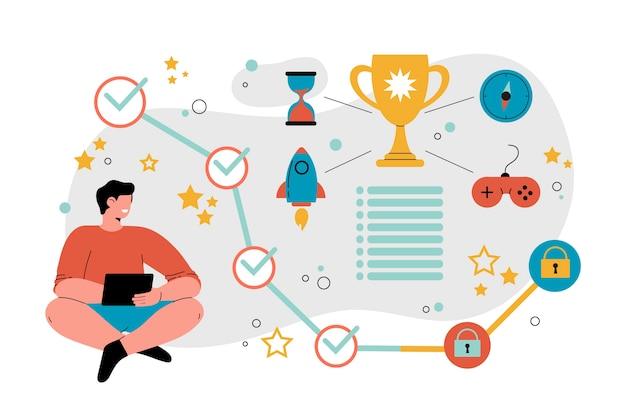
At its core, sales gamification is more than just a trend; it’s a strategic methodology that leverages game mechanics and dynamics to incentivize and motivate sales teams. Think of it as infusing the spirit of gaming—points, badges, leaderboards—into the fabric of the sales process. This infusion isn’t about turning work into a game but rather utilizing game-like elements to inspire engagement, healthy competition, and skill enhancement within the sales ecosystem.
The Significance of Sales Gamification:
The traditional methods of motivating sales teams through targets and incentives often fall short in sustaining long-term enthusiasm and fostering continuous improvement. Sales gamification, on the other hand, presents an innovative solution—a way to tap into intrinsic motivations, instigate friendly competition, and cultivate a culture of ongoing learning and growth.
Impact on Sales Dynamics:
By integrating gamified elements into daily sales activities, companies witness a transformative shift. From heightened employee engagement and increased productivity to a more cohesive team environment, the impact of gamification on sales outcomes is profound. It not only elevates performance but also nurtures a sense of achievement and camaraderie among team members.

Section 1: Understanding Sales Gamification
1. What is Sales Gamification?
Sales gamification is a strategic approach that harnesses elements of game design and applies them to the sales environment to enhance motivation, engagement, and performance. At its essence, it’s about integrating game mechanics, such as points, badges, challenges, and rewards, into the sales process to inspire desired behaviors and outcomes.
Gamification operates on the principle of tapping into intrinsic motivators—like competition, achievement, and recognition—to encourage sales teams to exceed targets, improve skills, and collaborate more effectively. It’s not about turning work into a game, but rather leveraging the psychology behind game dynamics to drive productivity and create an enjoyable, competitive atmosphere within the sales ecosystem.
2. Benefits of Sales Gamification
a. Increased Motivation and Engagement:
By infusing elements of gamification, sales teams find themselves more engaged and motivated. Points, badges, and rewards act as tangible markers of progress, sparking a sense of accomplishment and driving individuals to perform at their best.
b. Enhanced Learning and Skill Development:
Sales gamification isn’t just about reaching targets; it’s a tool for continuous improvement. It fosters a learning culture by encouraging skill development, experimentation, and the adoption of new strategies, ultimately enhancing the overall competency of the team.
c. Improved Team Collaboration and Competition:
Healthy competition can drive extraordinary results. Gamification encourages friendly rivalries among team members, fostering collaboration while keeping the competitive spirit alive. Leaderboards and challenges create a platform for individuals to shine while working towards collective success.
Sales gamification isn’t a one-size-fits-all solution, but rather a customizable framework that empowers organizations to align their unique goals with engaging strategies that inspire their sales force. It’s a catalyst for transformative change, redefining how businesses approach sales and performance enhancement.

Section 2: Implementing Effective Gamification Strategies
1. Setting Clear Goals and Objectives
Aligning with Business Objectives:
Begin by aligning gamification initiatives with overarching business goals. Whether it’s increasing sales revenue, boosting customer acquisition, or improving product knowledge, every gamification element should contribute directly to these objectives.
Defining Measurable KPIs:
Identify Key Performance Indicators (KPIs) that reflect progress towards these goals. These could include metrics like sales targets, conversion rates, customer satisfaction scores, or even individual performance indicators tied to specific tasks or behaviors.
2. Designing Engaging Challenges and Competitions
Creating Meaningful Challenges:
Craft challenges that are both attainable and stimulating. They should push sales teams to stretch their abilities without feeling unattainable, fostering a sense of accomplishment upon completion.
Leveraging Leaderboards and Milestones:
Implement leaderboards to showcase individual and team achievements. Tracking progress visually instills a sense of healthy competition while recognizing milestones reached.
3. Reward Systems and Incentives
Choosing Appropriate Rewards:
Select incentives that resonate with your sales team. Monetary rewards, recognition, career advancement opportunities, or even experiences can serve as powerful motivators. Ensure these rewards align with the preferences and aspirations of your team members.
Fair and Transparent Reward Distribution:
Equally important is the fairness and transparency in the allocation of rewards. Establish clear criteria for earning rewards, and ensure that the process is perceived as just and impartial by all participants.
4. Real-Time Feedback and Performance Tracking
Implementing Feedback Loops:
Real-time feedback is integral to the success of gamification strategies. Provide immediate feedback on achievements, progress, and areas for improvement. Constructive feedback enables continuous learning and adaptation.
Using Analytics for Insights:
Leverage analytics and data-driven insights to monitor individual and team performance. Analyzing trends and patterns helps in refining gamification strategies, identifying what works, and areas that need adjustment.
5. Iterative Improvement and Adaptation
Continuous Evolution of Strategies:
Gamification isn’t a one-time implementation. It’s an ongoing process that requires constant iteration and adaptation. Solicit feedback from the sales team regularly and be open to refining gamification elements based on their input.
Adapting to Changing Dynamics:
The sales landscape evolves, and so should gamification strategies. Stay attuned to market changes, emerging trends, and shifts in consumer behavior to ensure that gamification remains relevant and impactful.
Effective implementation of these strategies involves a combination of careful planning, continuous monitoring, and adaptability. It’s about creating an ecosystem where sales professionals feel motivated, rewarded, and continually challenged to achieve their best.

Section 3: Gamification Tools and Platforms
1. Popular Gamification Software for Sales Teams
a. Ambition:
Ambition stands out for its comprehensive platform catering to sales performance management. It offers real-time performance tracking, personalized scorecards, and engaging competitions through leaderboards, fostering a competitive yet collaborative environment.
b. Hoopla:
Hoopla focuses on driving motivation through dynamic leaderboards and TV broadcasts, enabling real-time recognition and celebration of sales achievements. Its customizable displays and integration with CRM systems make it a versatile tool for engaging sales teams.
c. LevelEleven:
LevelEleven specializes in goal setting and performance tracking. Its features include KPI tracking, coaching modules, and contests that align with organizational objectives, enabling sales leaders to drive specific behaviors and outcomes.
2. DIY Gamification: Building Custom Solutions
a. In-House Gamification Solutions:
For organizations looking for tailored solutions, creating in-house gamification systems can be a cost-effective approach. Custom-built platforms can integrate with existing CRM or sales software, aligning precisely with the organization’s unique needs and culture.
b. Gamification Platforms for Small Businesses:
Smaller businesses or startups with limited budgets can explore affordable gamification alternatives. Platforms like Spinify or Gamify offer scalable solutions that cater to smaller teams without compromising on essential gamification elements.
3. Factors to Consider When Choosing a Gamification Tool
a. Integration Capabilities:
Ensure that the selected tool seamlessly integrates with existing CRM or sales software. Compatibility with the current tech stack ensures a smoother adoption process and efficient utilization by the sales team.
b. Customization and Flexibility:
Look for platforms that allow customization of challenges, rewards, and leaderboards. Flexibility in tailoring gamification elements enables alignment with specific sales strategies and organizational objectives.
c. User-Friendly Interface:
An intuitive and user-friendly interface is crucial for successful adoption. Sales teams should find the platform easy to navigate, ensuring higher engagement and participation.
d. Analytics and Reporting Features:
Robust analytics capabilities are essential for monitoring performance and assessing the impact of gamification. Look for tools that offer comprehensive reporting functionalities to derive actionable insights.
4. Implementation and Adoption Strategies
a. Comprehensive Training and Onboarding:
Before implementing a new gamification tool, provide thorough training sessions to ensure sales teams understand its features, benefits, and how it aligns with their roles and objectives.
b. Pilot Programs and Feedback Loops:
Consider running pilot programs with a smaller group of sales reps to test the effectiveness and gather feedback. Use this feedback loop to fine-tune the gamification elements before rolling it out company-wide.
c. Continuous Support and Optimization:
Post-implementation, provide ongoing support and encourage feedback from users. Continuous optimization based on user input ensures that the gamification tool evolves in line with the changing needs and preferences of the sales team.
BONUS Hacks for Gamification Mastery:
- Invest in Expertise: Consider consulting gamification design experts to help you design, implement, and optimize your gamification program. Hire a skilled game maker for your virtual world!
- Technology Tango: Utilize gamification platforms and software to track progress, automate mechanics, and deliver a seamless gaming experience. Let technology power your gameplay!
- Balance is Key: Remember, gamification is a tool, not a replacement for good leadership and management. Ensure a healthy balance between fun and productivity. Keep the game fair and rewarding!
Conclusion: Embracing the Future of Sales Performance
The journey through the realm of sales gamification strategies unveils a transformative landscape where businesses redefine their sales dynamics and elevate team performance. As we conclude this insightful exploration, it’s evident that the fusion of gaming mechanics with sales methodologies isn’t merely a trend—it’s a catalyst for monumental change.
Recapitulating the Essentials:
Sales gamification isn’t just about adding points or badges; it’s a strategic approach that aligns with organizational goals, driving motivation, skill enhancement, and teamwork. It harnesses intrinsic motivations, turning sales targets into engaging challenges and fostering healthy competition while ensuring continual learning and improvement.
The Path Forward:
Implementing effective gamification strategies requires a thoughtful approach. It begins with setting clear objectives, choosing appropriate tools, and designing challenges that inspire and resonate with the sales team. The journey doesn’t end with implementation; it evolves through continuous feedback, adaptation, and a commitment to leveraging insights for ongoing optimization.
Empowering Sales Success:
The success stories, tools, and methodologies explored in this guide are not just theoretical concepts; they represent actionable strategies that can transform sales teams and businesses. From large enterprises to budding startups, sales gamification has the potential to drive success and redefine how sales operations function in the modern era.
As you embark on your gamification journey, remember that the true essence lies in the people—the sales professionals whose passion and dedication fuel the success of these strategies. It’s about cultivating an environment that inspires, motivates, and celebrates every achievement, no matter how small.
So, take the learnings from this guide, tailor them to your unique business landscape, and embark on this journey of unleashing the full potential of your sales team through the power of gamification.