
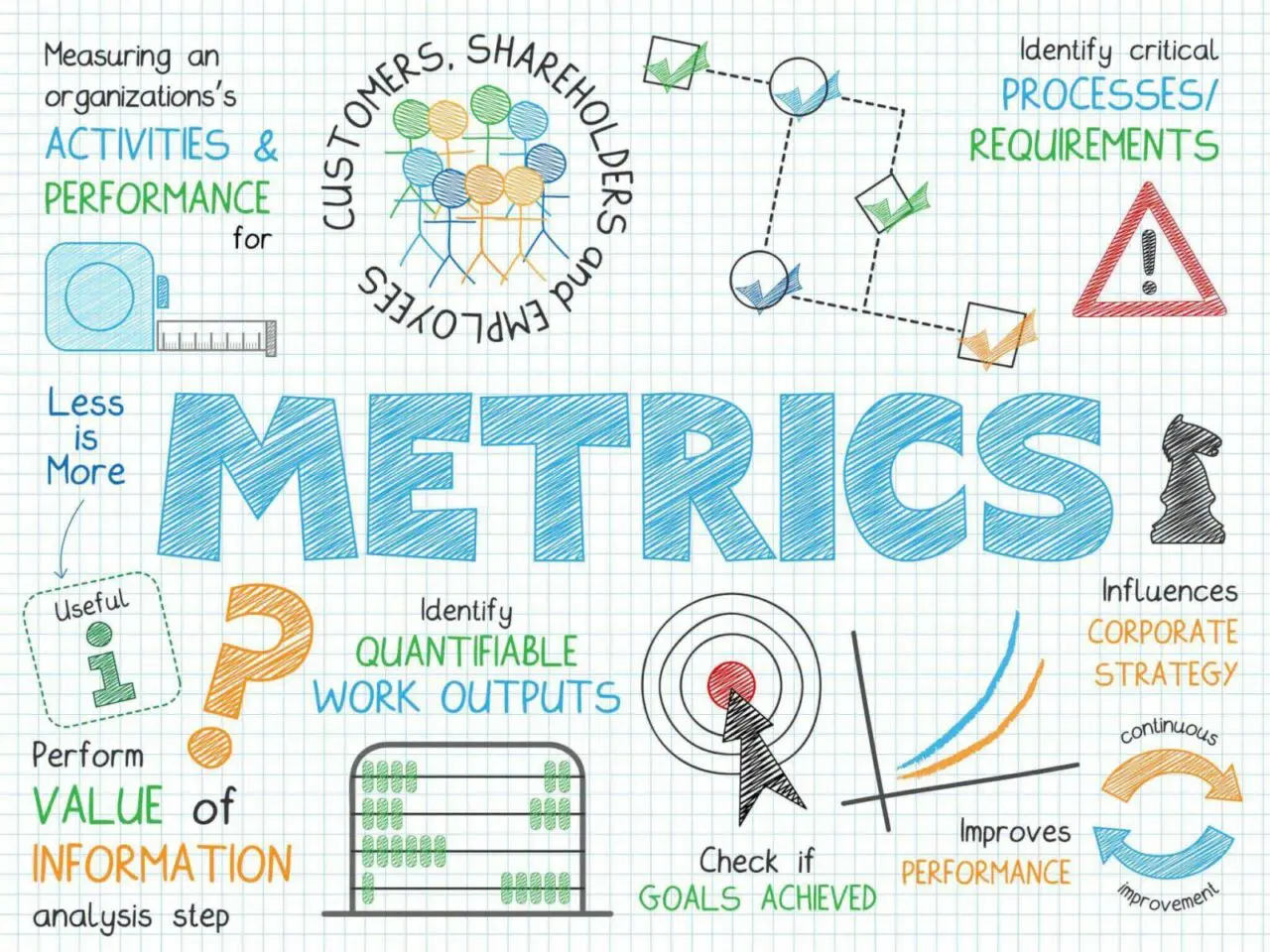
In the ever-evolving landscape of sales, staying ahead of the competition requires continuous improvement and a relentless pursuit of excellence.
Sales metrics benchmarking provides the critical insights needed to measure performance, identify areas for improvement, and ultimately elevate your sales team to new heights.
Why Benchmark Sales Metrics?
- Set Realistic and Attainable Goals: Benchmarking reveals industry standards and best practices, enabling you to establish realistic and achievable sales goals for your team.
- Identify Strengths and Weaknesses: Compare your performance against industry benchmarks to pinpoint areas where your team excels and areas requiring improvement.
- Track Progress and Measure Improvement: Monitoring your progress against benchmarks over time allows you to gauge the effectiveness of your sales strategies and track improvement efforts.
- Develop Effective Sales Strategies: Gain valuable insights into industry trends and best practices, informing strategic decision-making and optimizing your sales approach.
- Boost Team Performance: Foster motivation and a culture of continuous improvement by showcasing industry standards and encouraging your team to strive for excellence.

Unveiling the Metrics: Key Areas to Benchmark
Sales success encompasses a multitude of factors. Benchmarking key metrics across different areas provides a comprehensive picture of your performance.
1. Sales Efficiency Metrics:
- Sales Cycle Length: Measure the average time it takes to convert leads into paying customers.
- Lead Conversion Rate: Analyze the percentage of leads that convert into sales.
- Average Deal Size: Track the average revenue generated per closed deal.
- Number of Sales Activities: Monitor the number of calls made, emails sent, and meetings held by your team.
2. Sales Productivity Metrics:
- Revenue per Sales Rep: Measure the average revenue generated by each member of your sales team.
- Sales Quota Attainment: Track how well your team meets their individual and collective sales goals.
- Number of Deals Closed: Monitor the total number of deals your team successfully closes during a specific period.
- Sales Activity Completion Rate: Analyze the percentage of sales activities completed by each team member.
3. Customer Acquisition Cost (CAC):
- Marketing Spend: Track the total cost of your marketing and advertising activities.
- Sales Team Cost: Calculate the total cost of your sales team’s salaries, benefits, and other expenses.
- Number of New Customers Acquired: Analyze the total number of new customers acquired during a specific period.
- CAC per Customer: Calculate the average cost of acquiring each new customer.
4. Customer Satisfaction Metrics:
- Net Promoter Score (NPS): Measure customer loyalty and willingness to recommend your products or services.
- Customer Satisfaction Score (CSAT): Analyze customer satisfaction with your products, services, and support.
- Customer Churn Rate: Track the percentage of customers who discontinue using your products or services.
- Customer Lifetime Value (CLTV): Estimate the total revenue a customer generates over their lifetime relationship with your business.
Best Practices for Effective Sales Metrics Benchmarking:
- Identify Relevant Benchmarks: Choose benchmarks that align with your industry, company size, and target market.
- Use Reliable Sources: Utilize data from credible sources such as industry reports, research institutes, and competitor analysis.
- Focus on Quality, Not Just Quantity: Analyze not just the numbers but also the underlying trends and insights.
- Regularly Review and Update Benchmarks: As market conditions and industry dynamics evolve, update your benchmarks accordingly.
- Combine Benchmarking with Other Performance Indicators: Don’t solely rely on benchmarks; consider qualitative factors and other sales metrics for a holistic view.

Beyond the Numbers: Leveraging Insights for Growth
Benchmarking provides valuable insights, but the real power lies in translating these insights into actionable strategies for improvement.
- Identify and prioritize areas for improvement.
- Develop targeted strategies to address identified weaknesses.
- Implement new tools, processes, and training programs.
- Monitor progress and measure the impact of your initiatives.
- Continuously adapt and improve your approach based on data-driven insights.
Unlocking the Potential: The Journey Towards Sales Excellence
Sales metrics benchmarking is not a one-time activity; it’s an ongoing process of measuring, analyzing, and adapting. By embracing this approach, you can:
- Elevate your sales performance and reach new heights.
- Empower your team with valuable data and insights.
- Make informed decisions and optimize your sales strategies.
- Gain a competitive edge in the marketplace.
- Ultimately, achieve your sales goals and drive sustainable business growth.
Remember, the journey towards sales excellence is a continuous pursuit. By leveraging the power of sales metrics benchmarking and embracing a data-driven approach, you can unlock your full potential and propel your team towards unparalleled success.
Embrace the challenge