


Introduction
In the dynamic world of business, maximizing sales efficiency is key to sustained growth. One crucial aspect often overlooked is the optimization of sales resource allocation. In this comprehensive guide, we will delve into the intricacies of Sales Resource Allocation Optimization, breaking down complex concepts into easily digestible points for sales professionals, operations teams, students, and business owners alike.
1. Understanding Sales Resource Allocation
a. Definition and Importance
-
Definition: Sales Resource Allocation refers to the strategic distribution and management of a company’s sales resources, including human capital, budget, time, and technology, to maximize efficiency and drive revenue growth.
-
Importance: Proper resource allocation is the backbone of a successful sales strategy. It ensures that the right resources are deployed to the right opportunities, leading to improved customer satisfaction, increased sales, and sustainable business growth.
b. Key Components
-
Human Capital: Identifying and deploying skilled sales professionals to areas where their expertise is most valuable.
-
Budget Allocation: Allocating financial resources judiciously across various sales activities, such as marketing campaigns, training programs, and customer acquisition efforts.
-
Time Management: Prioritizing tasks and optimizing time spent on different stages of the sales process to enhance overall productivity.
-
Technology Utilization: Leveraging tools and technologies to streamline processes, automate repetitive tasks, and gather insights for informed decision-making.
c. Linkage to Overall Business Strategy
-
Alignment with Business Goals: Sales resource allocation should be directly aligned with the broader business objectives. Whether it’s market expansion, customer retention, or new product launches, the allocation strategy should support these goals.
-
Integration with Marketing: Collaboration between sales and marketing teams ensures that resources are allocated efficiently to generate and nurture leads, bridging the gap between these critical business functions.
-
Adaptability to Market Dynamics: A successful resource allocation strategy must be flexible enough to adapt to changes in market conditions, allowing the company to seize new opportunities and mitigate potential risks.
Understanding the nuances of sales resource allocation sets the foundation for a company’s growth strategy. By grasping the significance of human capital, budget allocation, time management, and technology utilization, businesses can enhance their overall operational efficiency and achieve sustainable success in the competitive landscape.

2. Challenges in Resource Allocation
a. Identifying Bottlenecks
-
Definition: Bottlenecks are points in the sales process where the flow of activities is impeded, leading to delays, inefficiencies, or lost opportunities.
-
Common Challenges:
- Lead Generation: Identifying and generating quality leads can be a bottleneck if not addressed systematically.
- Sales Training: Insufficient training can hinder the effectiveness of the sales team, impacting their ability to convert leads into customers.
- Communication Gaps: Inadequate communication channels between sales and operations can create bottlenecks in the overall process.
-
Strategies for Overcoming:
- Process Mapping: Analyze the sales process to identify and eliminate bottlenecks systematically.
- Continuous Training: Invest in ongoing training programs to keep the sales team updated with the latest skills and industry trends.
- Enhanced Communication: Implement tools and practices that foster seamless communication between sales and operations teams.
b. Balancing Short-term vs. Long-term Goals
-
Definition: Striking the right balance between achieving short-term revenue targets and investing in long-term strategies for sustained growth.
-
Common Challenges:
- Pressure for Quick Wins: Sales teams may focus excessively on immediate results, neglecting long-term relationship building.
- Resource Allocation Dilemma: Allocating resources solely based on short-term goals can undermine long-term sustainability.
-
Strategies for Overcoming:
- Holistic Planning: Develop a comprehensive sales strategy that integrates short-term revenue targets with long-term growth objectives.
- Incentivizing Long-term Goals: Implement incentive structures that reward sales efforts contributing to long-term customer relationships.
- Regular Review: Conduct periodic reviews to ensure alignment with both short-term and long-term goals.
c. Adapting to Market Changes
-
Definition: The ability to adjust sales resource allocation strategies in response to dynamic market conditions.
-
Common Challenges:
- Market Volatility: Rapid changes in customer preferences, economic conditions, or industry trends can catch businesses off guard.
- Technology Evolution: Failure to adapt to emerging technologies may result in outdated sales processes and strategies.
-
Strategies for Overcoming:
- Market Research: Regularly conduct market research to stay abreast of changes in customer behavior, preferences, and industry trends.
- Agile Resource Allocation: Develop agile resource allocation models that can quickly respond to market shifts.
- Investing in Innovation: Allocate resources for researching and adopting new technologies that can enhance sales effectiveness in a changing landscape.
Navigating the challenges in resource allocation requires a proactive approach. By identifying and addressing bottlenecks, balancing short-term and long-term goals, and staying adaptable to market changes, businesses can optimize their sales processes for sustained success.

3. Data-Driven Decision Making
a. Importance of Analytics in Sales
-
Definition: Analytics involves the systematic analysis of data to derive meaningful insights, providing a foundation for informed decision-making.
-
Benefits in Sales:
- Performance Measurement: Track and measure key performance indicators (KPIs) to assess the effectiveness of sales strategies.
- Customer Insights: Analyze customer data to understand preferences, behavior, and trends, enabling personalized and targeted sales approaches.
- Sales Forecasting: Utilize historical data to predict future sales trends and demand, facilitating better resource allocation.
-
Tools for Analytics:
- Customer Relationship Management (CRM) Systems: These platforms centralize customer data, providing a holistic view of interactions and transactions.
- Sales Analytics Software: Implement tools that offer real-time insights into sales performance, helping identify areas for improvement.
b. Utilizing Customer Relationship Management (CRM) Systems
-
Definition: CRM systems are software applications designed to manage and analyze customer interactions and data throughout the customer lifecycle.
-
Key Functions:
- Centralized Data Storage: Store and organize customer information in a centralized database accessible to the sales team.
- Sales Pipeline Management: Track leads and opportunities through various stages of the sales process for effective management.
- Automation of Routine Tasks: Automate repetitive tasks, such as data entry and follow-up emails, to streamline the sales workflow.
-
Best Practices:
- Regular Data Updates: Ensure that customer data is regularly updated to maintain accuracy and relevance.
- Integration with Other Tools: Integrate CRM systems with other sales and marketing tools for a seamless flow of information.
c. Predictive Analytics for Future Planning
-
Definition: Predictive analytics involves using statistical algorithms and machine learning techniques to identify future outcomes based on historical data.
-
Applications in Sales:
- Lead Scoring: Predict the likelihood of a lead converting into a customer based on historical conversion patterns.
- Sales Forecasting: Use predictive analytics to forecast future sales figures and adjust resource allocation accordingly.
- Product Recommendations: Anticipate customer needs and preferences to make personalized product recommendations.
-
Implementation Tips:
- Quality Data Inputs: Ensure that the data used for predictive analytics is accurate and representative of the target audience.
- Continuous Improvement: Regularly update and refine predictive models based on new data and changing market conditions.
Data-driven decision making empowers sales teams to make informed choices, leading to more effective resource allocation. By leveraging analytics, utilizing CRM systems, and embracing predictive analytics, businesses can optimize their sales processes and stay ahead in a data-driven era.

4. Technology Integration
a. AI and Machine Learning in Resource Allocation
-
Definition: Artificial Intelligence (AI) and Machine Learning (ML) are technologies that enable systems to learn from data and make intelligent decisions without explicit programming.
-
Applications in Resource Allocation:
- Dynamic Pricing: Use AI to adjust pricing based on real-time market conditions and customer behavior.
- Sales Forecasting: Machine learning algorithms can analyze historical data to predict future sales trends, guiding resource allocation decisions.
- Customer Segmentation: AI can identify patterns in customer data, facilitating targeted marketing efforts and resource allocation to specific customer segments.
-
Implementation Considerations:
- Data Quality: Reliable results depend on the quality of input data, emphasizing the importance of clean and accurate data.
- Integration with Existing Systems: Ensure seamless integration with existing sales and operations systems for optimal performance.
b. Automation for Efficiency
-
Definition: Automation involves the use of technology to perform repetitive tasks without human intervention.
-
Areas of Automation in Sales:
- Lead Scoring and Qualification: Use automation to score and qualify leads based on predefined criteria, streamlining the sales process.
- Email Campaigns: Automate email outreach and follow-up sequences, saving time and ensuring consistent communication.
- Data Entry and Reporting: Reduce manual data entry by automating routine reporting tasks, freeing up time for more strategic activities.
-
Best Practices:
- Regular Updates and Maintenance: Regularly review and update automated processes to align with changing business needs.
- Human Oversight: While automating tasks, ensure there is human oversight to address exceptions and unexpected scenarios.
c. Choosing the Right Tools
-
Selection Criteria:
- Alignment with Business Goals: Select tools that align with the overall business strategy and objectives.
- User-Friendly Interface: Choose tools that are intuitive and user-friendly to ensure easy adoption by the sales team.
- Scalability: Opt for tools that can scale with the growth of the business, accommodating increased data volume and user requirements.
-
Examples of Tools:
- Salesforce: A widely used CRM platform that integrates with various sales and marketing tools.
- HubSpot: Offers a suite of sales and marketing tools, including CRM, marketing automation, and sales enablement.
- Tableau: A data visualization tool that can provide valuable insights for strategic decision-making.
The integration of technology in sales resource allocation is a game-changer, enhancing efficiency and enabling businesses to make data-driven decisions. By leveraging AI and machine learning, automating repetitive tasks, and carefully selecting tools that align with business goals, companies can optimize their resource allocation processes and stay competitive in the digital age.

5. Team Collaboration and Communication
a. Aligning Sales and Operations Teams
-
Importance of Alignment:
- Shared Objectives: Ensure that both sales and operations teams are aligned with the overarching business goals, fostering a sense of shared purpose.
- Efficient Workflow: Alignment between teams streamlines the flow of information, creating a more efficient sales process.
-
Strategies for Alignment:
- Cross-Functional Meetings: Regular meetings between sales and operations teams promote collaboration and open communication.
- Joint Goal-Setting: Establish common goals that require collaboration between the two teams, reinforcing the idea of working towards shared objectives.
b. Clear Communication Channels
-
Importance of Communication:
- Avoiding Misunderstandings: Clear communication reduces the risk of misunderstandings and ensures that all team members are on the same page.
- Timely Information: Efficient communication channels facilitate the timely flow of information, enabling quick responses to changes in the sales landscape.
-
Communication Best Practices:
- Utilize Collaboration Tools: Implement tools like project management platforms, instant messaging, and video conferencing to enhance communication.
- Regular Updates: Ensure that teams provide regular updates on their progress and any challenges they may be facing.
c. Feedback Loops for Continuous Improvement
-
Importance of Feedback:
- Identifying Weaknesses: Constructive feedback helps teams identify areas for improvement in their processes and strategies.
- Encouraging Innovation: A culture of feedback fosters an environment where team members feel empowered to suggest innovative ideas and solutions.
-
Implementing Feedback Loops:
- Regular Review Meetings: Schedule regular review meetings to discuss ongoing projects, address challenges, and gather feedback.
- Anonymous Feedback Channels: Create channels for anonymous feedback to encourage honest input from team members who may be hesitant to speak up.
Effective collaboration and communication are essential for the success of both sales and operations teams. By aligning their objectives, establishing clear communication channels, and implementing feedback loops, businesses can create a cohesive work environment that promotes continuous improvement and maximizes the impact of their resource allocation strategies.

6. Training and Skill Development
a. Identifying Skill Gaps
-
Assessment Strategies:
- Skills Inventory: Conduct a comprehensive assessment of the existing skill set within the sales team to identify strengths and weaknesses.
- Performance Reviews: Regularly review individual and team performance to pinpoint specific areas that may require additional training.
-
Tools for Assessment:
- Skill Assessment Surveys: Utilize surveys or self-assessment tools to gather insights into employees’ perceptions of their own skills.
- Performance Metrics: Analyze key performance indicators (KPIs) to identify patterns indicating potential skill gaps.
b. Continuous Training Programs
-
Importance of Continuous Training:
- Adaptability: Continuous training ensures that the sales team remains adaptable to evolving market trends and customer expectations.
- Employee Engagement: Ongoing learning opportunities contribute to higher levels of job satisfaction and engagement among team members.
-
Training Methods:
- Workshops and Seminars: Conduct regular workshops and seminars on topics such as product knowledge, sales techniques, and customer relationship management.
- E-Learning Platforms: Utilize online platforms that offer courses and modules to accommodate flexible learning schedules.
c. Fostering a Learning Culture
-
Creating a Learning Environment:
- Leadership Support: Leadership should actively support and encourage a culture of continuous learning, setting an example for the entire organization.
- Recognition for Learning Achievements: Acknowledge and reward employees who actively engage in training programs and demonstrate improved skills.
-
Integration with Daily Operations:
- On-the-Job Training: Integrate training into daily operations, allowing team members to apply new skills immediately in their roles.
- Mentorship Programs: Establish mentorship programs where experienced team members guide and share knowledge with newer members.
Identifying and addressing skill gaps through continuous training is crucial for maintaining a high-performing sales team. By implementing effective assessment strategies, offering a variety of training methods, and fostering a learning culture within the organization, businesses can ensure that their sales professionals are well-equipped to meet the challenges of a dynamic market.

7. Flexibility and Adaptability
a. Agility in Resource Allocation
-
Definition of Agility:
- Quick Response to Change: An agile approach involves the ability to swiftly respond to changes in the market, customer preferences, or internal dynamics.
- Iterative Processes: Adopting iterative and flexible processes allows for adjustments based on real-time feedback.
-
Implementing Agile Strategies:
- Scrum Methodology: Apply agile methodologies, such as Scrum, to organize work into time-boxed iterations, promoting adaptability and collaboration.
- Cross-Functional Teams: Form cross-functional teams capable of responding to a variety of challenges, minimizing dependencies on specific individuals or departments.
b. Responding to Market Shifts
-
Monitoring Market Dynamics:
- Continuous Market Research: Stay informed about market trends, competitor strategies, and emerging technologies through continuous market research.
- Customer Feedback: Actively seek and analyze customer feedback to understand changing preferences and expectations.
-
Strategies for Market Shifts:
- Scenario Planning: Develop scenarios for potential market shifts and devise strategies to address each scenario.
- Pilot Programs: Implement pilot programs to test new strategies before full-scale deployment, reducing risks associated with sudden market changes.
c. Iterative Approach to Optimization
-
Continuous Improvement Cycle:
- Feedback Mechanisms: Establish feedback loops to collect insights from sales teams, customers, and other stakeholders for ongoing improvement.
- Regular Evaluations: Conduct regular evaluations of sales processes and resource allocation strategies, identifying areas for refinement.
-
Technology for Iterative Optimization:
- AI and Machine Learning: Leverage AI and machine learning to analyze data and provide insights for continuous optimization.
- Predictive Analytics: Utilize predictive analytics to forecast potential challenges and proactively adjust resource allocation.
Flexibility and adaptability are crucial in a rapidly changing business landscape. By fostering agility in resource allocation, responding promptly to market shifts, and adopting an iterative approach to optimization, businesses can position themselves to navigate uncertainties successfully and capitalize on emerging opportunities.
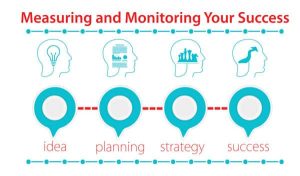
8. Measuring and Monitoring Success
a. Key Performance Indicators (KPIs)
-
Definition of KPIs:
- Quantifiable Metrics: KPIs are specific, measurable metrics that provide insights into the performance of sales teams and resource allocation strategies.
- Alignment with Objectives: KPIs should be aligned with overarching business goals and objectives.
-
Examples of Sales KPIs:
- Conversion Rate: The percentage of leads that convert into actual customers.
- Sales Growth: The increase in revenue over a specific period.
- Customer Acquisition Cost (CAC): The cost associated with acquiring a new customer.
-
Regular Review and Adjustment:
- Monthly or Quarterly Reviews: Regularly review KPIs to track progress and identify areas for improvement.
- Adjustment of Targets: Adjust KPI targets based on evolving business goals and market conditions.
b. Real-time Monitoring
-
Importance of Real-time Monitoring:
- Quick Decision-Making: Real-time data allows for immediate decision-making, crucial in a fast-paced sales environment.
- Proactive Issue Resolution: Identify and address issues as they arise rather than waiting for periodic reviews.
-
Tools for Real-time Monitoring:
- Dashboard Analytics: Implement dashboard analytics tools that provide a real-time overview of key metrics.
- Automated Alerts: Set up automated alerts for critical KPI thresholds to ensure prompt attention.
c. Continuous Evaluation and Adjustments
-
Iterative Approach to Optimization:
- Feedback Integration: Incorporate feedback from sales teams, customers, and stakeholders into the evaluation process.
- Ongoing Improvement Cycle: Treat success measurement as an ongoing cycle of evaluation, adjustment, and improvement.
-
Strategies for Adjustments:
- Resource Reallocation: If certain areas are underperforming, consider reallocating resources to more promising opportunities.
- Training and Development: Identify skill gaps through performance evaluations and provide targeted training for improvement.
Measuring and monitoring success is integral to the continuous improvement of sales resource allocation strategies. By defining and regularly reviewing KPIs, implementing real-time monitoring tools, and adopting an iterative approach to evaluation and adjustments, businesses can ensure that their resource allocation efforts align with objectives and contribute to overall success.

9. Case Studies and Success Stories
a. Real-world Examples of Successful Resource Allocation
-
Illustrative Cases:
- Company A’s Market Expansion: Explore a case where a company successfully allocated resources to enter a new market, detailing the strategies employed and the results achieved.
- Efficient Use of Marketing Budget by Company B: Highlight how a company optimized its marketing budget through data-driven decisions, leading to increased lead generation and sales.
-
Key Takeaways:
- Adaptability: Showcase how successful companies demonstrated adaptability in their resource allocation strategies to align with changing market demands.
- Measurable Results: Emphasize the importance of measurable outcomes and how businesses tracked success through key metrics.
b. Lessons Learned from Failures
-
Analyzing Setbacks:
- Overemphasis on Short-term Gains: Examine a case where a company’s focus on short-term gains led to inadequate resource allocation for long-term sustainability.
- Failure to Adapt to Technological Changes: Explore how a business faced challenges due to a lack of agility in adapting to emerging technologies.
-
Implications for Resource Allocation:
- Balancing Act: Discuss the need for a balanced approach that considers both short-term gains and long-term sustainability.
- Embracing Innovation: Highlight the importance of incorporating innovative technologies in resource allocation strategies.
c. Implementing Best Practices
-
Success Factors:
- Cross-Functional Collaboration: Showcase cases where successful resource allocation was a result of seamless collaboration between sales, operations, and other departments.
- Data-Driven Decision Making: Illustrate instances where companies leveraged data analytics to inform resource allocation decisions.
-
Generalizable Practices:
- Continuous Training Programs: Highlight companies that have successfully implemented continuous training programs, resulting in a skilled and adaptable sales force.
- Customer-Centric Approaches: Discuss how customer-centric resource allocation strategies contributed to enhanced customer satisfaction and loyalty.
Examining real-world cases provides valuable insights into the practical application of resource allocation strategies. By presenting both successful implementations and lessons learned from failures, businesses can glean actionable takeaways and apply best practices to optimize their own sales resource allocation processes.

10. Future Trends in Sales Resource Allocation
a. Blockchain and Smart Contracts
-
Definition and Integration:
- Blockchain Technology: Explore how blockchain can enhance transparency and security in financial transactions, impacting budget allocation and financial planning.
- Smart Contracts: Discuss the potential of smart contracts in automating and optimizing sales processes, reducing the need for intermediary interventions.
-
Potential Benefits:
- Reduced Fraud: Blockchain’s immutable ledger can minimize fraudulent activities, providing a more secure environment for financial transactions.
- Efficient Contract Execution: Smart contracts enable automated execution of contractual agreements, streamlining processes and reducing delays.
b. Virtual Reality in Sales Training
-
Immersive Learning Experiences:
- Simulation Training: Explore how virtual reality (VR) can be used to create realistic sales scenarios for training purposes.
- Interactive Product Demos: Discuss the potential of VR for immersive product demonstrations, enhancing sales team product knowledge.
-
Advantages of VR Training:
- Increased Engagement: VR-based training offers a more engaging learning experience, leading to better retention of information.
- Cost-Efficiency: Virtual training can reduce the costs associated with traditional training methods, such as travel and venue expenses.
c. Sustainable Resource Allocation
-
Environmental Considerations:
- Carbon Footprint Reduction: Discuss how businesses are increasingly factoring environmental impact into resource allocation decisions, aligning with sustainability goals.
- Green Technologies: Explore the integration of eco-friendly technologies in sales operations, such as energy-efficient office spaces and sustainable logistics.
-
Corporate Social Responsibility (CSR) and Sales:
- Consumer Preferences: Investigate how consumers are increasingly valuing socially responsible businesses, impacting purchasing decisions.
- CSR as a Differentiator: Showcase companies successfully using CSR initiatives as a unique selling proposition.
- As businesses evolve, staying ahead of emerging trends is essential for effective sales resource allocation. By exploring the potential of blockchain and smart contracts, incorporating virtual reality into training programs, and embracing sustainable resource allocation practices, companies can position themselves to thrive in a future where innovation and environmental responsibility play pivotal roles in success.

Conclusion
In the fast-paced world of sales, where competition is fierce and markets continually evolve, mastering the art of Sales Resource Allocation Optimization is a crucial determinant of success. As we conclude this comprehensive guide, it becomes evident that navigating the complexities of resource allocation involves a strategic blend of data-driven decision-making, technological integration, team collaboration, and an unwavering commitment to continuous improvement.
Key Takeaways:
-
Strategic Alignment: Aligning sales resource allocation with overarching business objectives is paramount. The careful orchestration of human capital, budget, time, and technology ensures a harmonious and purpose-driven approach.
-
Adaptability and Agility: Flexibility is not just a virtue; it’s a necessity. Businesses must embrace an agile mindset, responding promptly to market shifts, technological advancements, and evolving customer preferences.
-
Data as a Catalyst: Data emerges as a powerful catalyst in the optimization process. Leveraging analytics, CRM systems, and predictive tools empowers businesses to make informed decisions, enhance customer experiences, and foresee market trends.
-
Technology’s Transformative Role: The integration of artificial intelligence, machine learning, and automation redefines how sales teams operate. These technologies not only streamline processes but also unlock new realms of efficiency and innovation.
-
Team Synergy: Effective communication, collaboration, and a commitment to continuous learning lay the foundation for high-performing sales teams. Fostering a culture of feedback and investing in training programs ensure that teams are equipped with the skills needed for success.
-
Measurement and Evolution: Key Performance Indicators (KPIs), real-time monitoring, and a commitment to continuous evaluation form the backbone of success measurement. An iterative approach to optimization allows businesses to adapt and thrive in dynamic landscapes.
-
Learning from Experience: Real-world case studies provide invaluable insights, offering lessons from both successes and failures. By understanding the strategies that led to triumph and learning from setbacks, businesses can refine their own resource allocation practices.
-
Future-Forward Vision: The future of sales resource allocation is marked by exciting trends such as blockchain integration, virtual reality in training, and sustainable practices. Staying abreast of these trends positions businesses to embrace innovation and respond to changing market dynamics.
In conclusion, mastering Sales Resource Allocation Optimization is not a one-time achievement but an ongoing journey of adaptation, innovation, and collaboration. By applying the principles outlined in this guide, businesses can not only survive but thrive in the dynamic and ever-evolving landscape of sales. Here’s to unlocking growth, maximizing efficiency, and achieving unparalleled success in the art and science of sales resource allocation.